Showing posts with label impacts. Show all posts

Central Heating


Image 1 Central Heating System-present day


Image 2 Central Heating System from 1924

Central heating has been availed in industrial structures since the late 1700’s. It was not thought to be applicable in residents homes
until the early 1900s.  In 1924, Research Residence No. 1 was commissioned and built to be the house of the future this project was a
Collaboration between the University of  Illinois Urbana Champaign and the National Warm Air Heating and Ventilation Association (NWAHVA).

As you can see in the above images central heating has come a long way as seen in image 1 and image 2.

American Society of Engineering Education


The American Society of Engineering Education is a nonprofit organization founded in 1893 with the objective of promoting engineering in education and engineering technology, during a time in American history when higher education was experiencing a significant boom. The ASEE mission is to stimulate engineering through:

 Promoting research 

  Public service 
 
 Leadership 
 
 Public service
Since then the ASEE has grown exponentially from a small humble organization into an international force. Spread across the globe consisting of 12,000 members, 400 universities, and 50 corporations.  


 For more information on becoming a member please refer to the links below.
UIUC ASEE Student Chapter: http://asee.ec.illinois.edu/about.html


 Work cited:

UIUC ASEE Student Chapter: http://asee.ec.illinois.edu/about.html

Howard Knoebel


High Tech Heroes discussing the gyros development: 5min and 22sec


Howard Knoebel joined the CSL (Coordinated Science Laboratory) in 1950 and took a position as a research professor at the University of Illinois in 1964. He was well known throughout his career as a person who could become an expert in anything he tried.  Over the course of his career he worked on a variety of projects including the electronic gyroscope, a navigational instrument used in aeronautical and nautical guidance systems.  Knoebel also aided in the development of the radio propagation system using sounding rockets to measure upper atmosphere electron density and collision frequency and applying fluidic devices in developing a highway vehicle system.

 
Work cited
 Youtube Video 
University of Illinois CSL
 Kingery, Alan, Rudy D. Berg, and E. H. Schillinger. Men and Ideas in Engineering; Twelve Histories from Illinois. Urbana: Published for the College of Engineering, U of Illinois, by the U of Illinois, 1967. Print.

LED Impacts

Early Development of the LED.


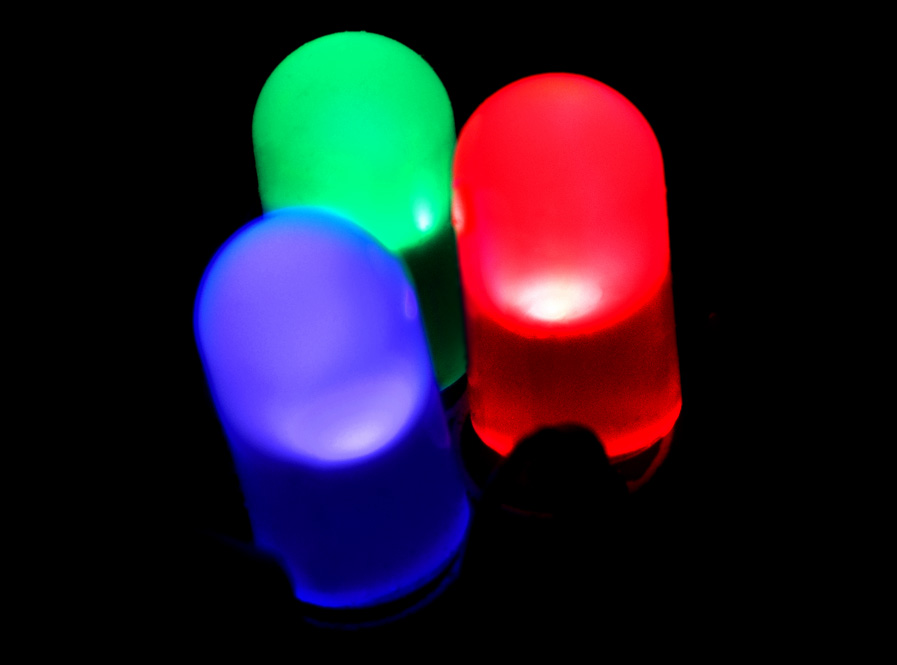
Photo 1 of an early LED.


Photo 2 of Modern day LED.


Photo 3 of modern LED in TV screen.


LEDs have come a long way since they were first invented by Nick Holonyak Jr. We now find them in throughout our everyday lives in a variety of appliances. Ranging from lights, TVs, cell phones, traffic lights, and vehicles.
  
Worked cited:

Photo 1
Alumni and Faculty Biographical (Alumni News Morgue) File, 1882-1995, Light Emitting Diode University of Illinois Archives, Copy right HKN Bridge, Series Number: 26/4/1, Box 1
Photo 2
Photo 3
 http://cdn.ndtv.com/tech/images/benq_l700_series_led.jpggure 4

Gyroscope Impacts

Toy Gyroscope

 Photo1


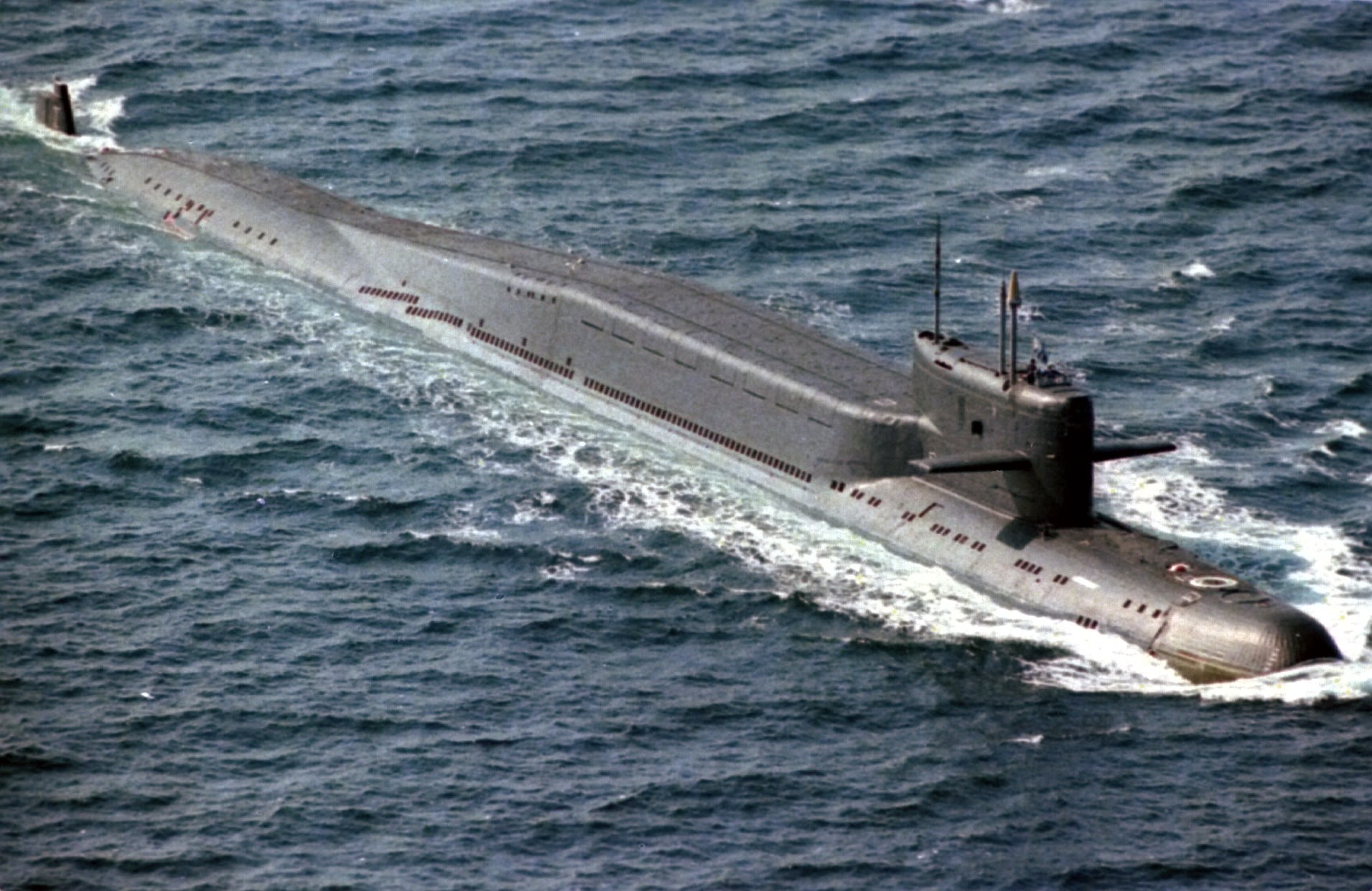
Nuclear Submarine 

Photo 2:

The nuclear powered submarine shown in Photo 1 and the communications satellite in Photo 2 both utilize the Electrostatically Suspended Gyroscope.

Communications satellite


 The Electrostatically Suspended Gyroscope enables these modern marvels to accurately navigate both sea and space without relying on star charts.

People who contributed to the innovation of the gyroscope are Arnold Nordsieck and Howard Knoebel

Work cited:

Image source Figure 1.
Image of toy gyroscope Tedco Original Toy Gyroscope - From Gyroscope.com. Retrieved March 6, 2015, from http://www.gyroscopes.co.uk/d.asp?product=TEDCO2

 Image source Figure 2.

Image source Figure 2.